
Harnessing the power of photography to draw global attention to issues of sustainability
The Prix Pictet aims to harness the power of photography – all genres of photography – to draw global attention to issues of sustainability, especially those concerning the environment. Founded in 2008 by the Pictet Group, the Prix Pictet has become the world’s leading award for photography and sustainability. To date, there have been ten cycles of the award each of which has highlighted a particular facet of sustainability.
Entry to the award is strictly by nomination. The network of nominators worldwide (currently numbering over 300) have, over the course of the ten cycles, made 5,060 nominations for the award. Taken together the nominated works present a powerful testament to the fragile state of our planet.
Since 2008 the nine cycles of the Prix Pictet have been shown in exhibitions in many major cities of the world with visitor numbers of over 550,000.
The Prix Pictet is an award of 100,000 CHF given to the photographer who, in the opinion of the
independent jury, has produced a series of work that is both artistically outstanding and presents a compelling narrative related to the theme of the award. The ten Prix Pictet winners are Benoit Aquin, Nadav Kander, Mitch Epstein, Luc Delahaye, Michael Schmidt, Valérie Belin, Richard Mosse, Joana Choumali, Sally Mann and Gauri Gill.
For each cycle of the Prix Pictet, a book has been published and distributed worldwide. Each book showcases the work of the shortlisted photographers as well as powerful images produced by a selection of the other nominated photographers.
Award process
Each nominator proposes between two to five photographers. Other photographers wishing to submit their work may contact the secretariat.
The Jury looks for work, arranged in a coherent series, that fits the theme of the particular cycle, which has a high artistic quality and considerable narrative power.
Once the submission process has been completed, the independent jury are responsible for drawing up a Shortlist and selecting a winner.
Nominators
The nominators for the Prix Pictet are a group of leading experts in the visual arts from around the world including directors of major museums and galleries as well as journalists and critics. They lead the global search for images of high artistic quality and narrative power and fit the theme of a particular cycle.
Fire tour at Top Museum in Tokyo, Japan, January 2022.
Advisory board
The Prix Pictet Advisory Board is a distinguished group of individuals who act as informal and occasional advisers to the Prix Pictet Executive.
-
Lionel Barber
Editor, Financial Times, 2005–20
Trustee, Carnegie Foundation of New York
-
Sir Peter Bazalgette
Chair, ITV, 2016–22
Chair, Arts Council England, 2013–17 -
Marcus Brauchli
Managing Editor, the Wall Street Journal 2007–08
Executive Editor, the Washington Post, 2008–12
-
Christopher Brown
Director, Ashmolean Museum, Oxford, 1998–2014
-
Melanie Clore
Co-Founder, Clore Wyndham Fine Art, London, Co-Chair, Sotheby’s Europe, 2011–16
-
Régis Durand
Writer and Art Critic
-
Lady Elena Ochoa Foster
Founder and CEO, Ivorypress, Madrid, London
-
Francis Hodgson
Professor in the Culture of Photography, University of Brighton, UK
-
Maja Hoffmann
Founder and President, LUMA Foundation, Zurich
-
Baroness Helena Kennedy, KC
Principal, Mansfield College,
University of Oxford, 2011–18
-
Henry Kim
Director and CEO, The Aga Khan Museum, Toronto, 2012–20
Associate Vice Provost and Director, Michael C. Carlos Museum, Emory University
-
Fatima Maleki
UK-based collector
-
Richard Misrach
Berkeley, California-based photographer
-
Lady Alison Myners
Chair, Royal Academy Trust, London
-
Sandy Nairne CBE
Director, National Portrait Gallery, London, 2002–15
-
Fumio Nanjo
Director, Mori Art Museum, Tokyo, 2006–19
-
Michael Nyman CBE
UK-based composer and artist
-
Lord Palumbo
Chair, Arts Council of Great Britain, 1989-1994
-
Ivan Pictet
Senior Managing Partner, Pictet Group, 2005–10
-
Nigel Pleming, KC
Barrister
-
Thaddaeus Ropac
Founder, Galerie Thaddaeus Ropac, Paris, Salzburg, London, Seoul
-
Ralph Rugoff, OBE
Director, Hayward Gallery, London
-
Sir Charles Saumarez Smith, CBE
Secretary and Chief Executive, Royal Academy of Arts, London, 2007–18
-
Marianne Princess zu Sayn-Wittgenstein-Sayn
Austria-based photographer
-
Olga Sviblova
Founding Director, Multimedia Art Museum, Moscow
-
Sir John Tusa
Co-Chair, European Union Youth Orchestra Chair, University of the Arts, London, 2007–13
-
Roxane Zand
Founder, ZandFineArts, London Deputy Chair, Sotheby’s Middle East, 2006–20
-
Slavoj Žižek
International Director, Birkbeck Institute for the Humanities, University of London
Prix Pictet Executive
-
Stephen Barber
Chairman, Prix Pictet and Prix Pictet Ltd
-
Isabelle von Ribbentrop
Executive Director, Prix Pictet and Prix Pictet Ltd
-
Michael Benson
Director, Prix Pictet and Prix Pictet Ltd, Director, Candlestar
-
Deborah Meier
Project manager, Prix Pictet and Prix Pictet Ltd
-
Emilia Kuelps
Project officer, Prix Pictet and Prix Pictet Ltd
-
Prix Pictet Ltd
The business affairs of the Prix Pictet (including artists grants' and contracts, media partnerships, sales etc) are administered by an independent company, Prix Pictet Ltd.
-
Candlestar
The London based cultural consultancy Candlestar Ltd produces the Prix Pictet. As well as acting as the Secretariat for the award, the team at Candlestar manage all of the administrative, artistic, logistical and curatorial aspects of the Prix Pictet award and the global exhibition tour.
Advisors
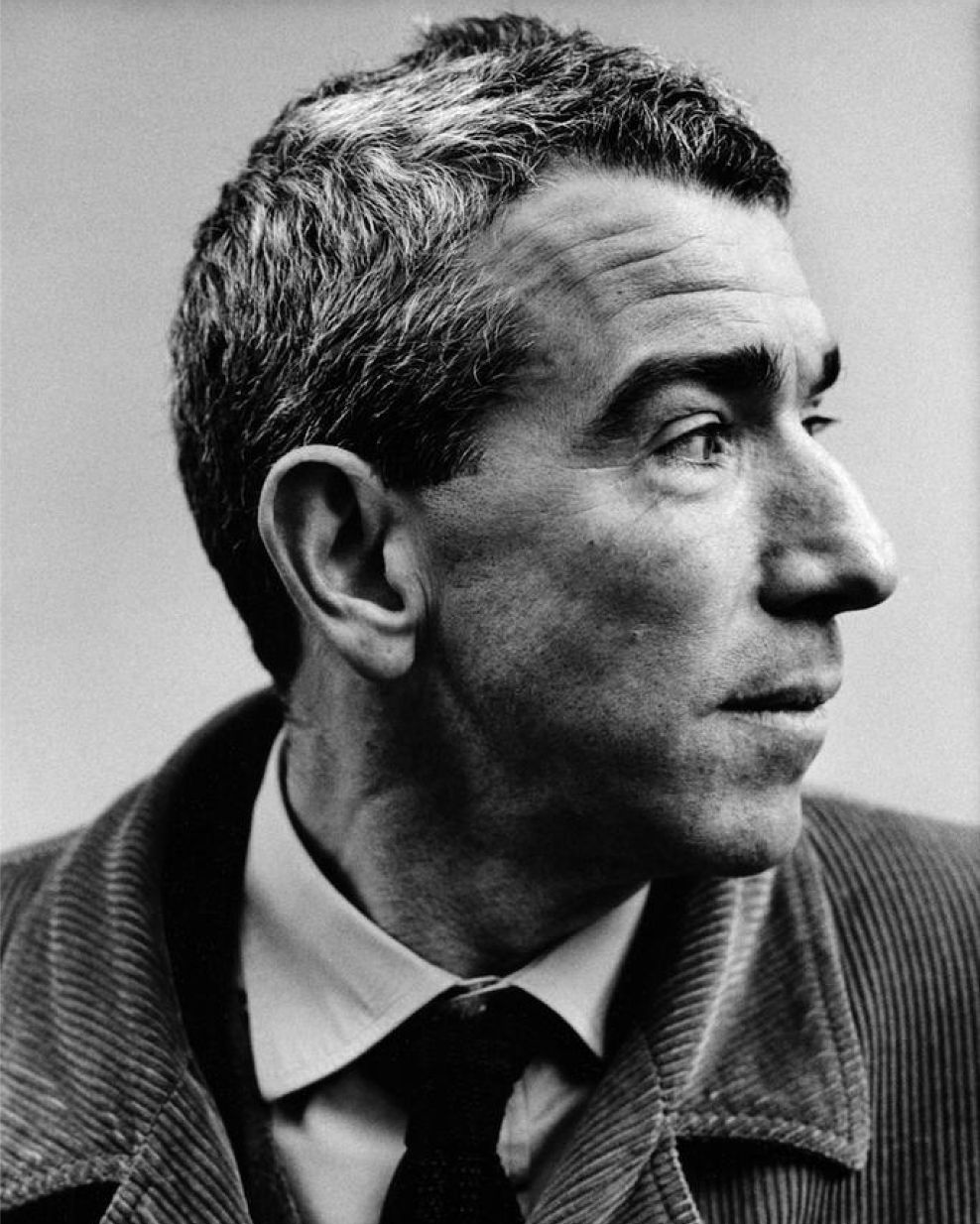
Francis Hodgson
Photography Adviser
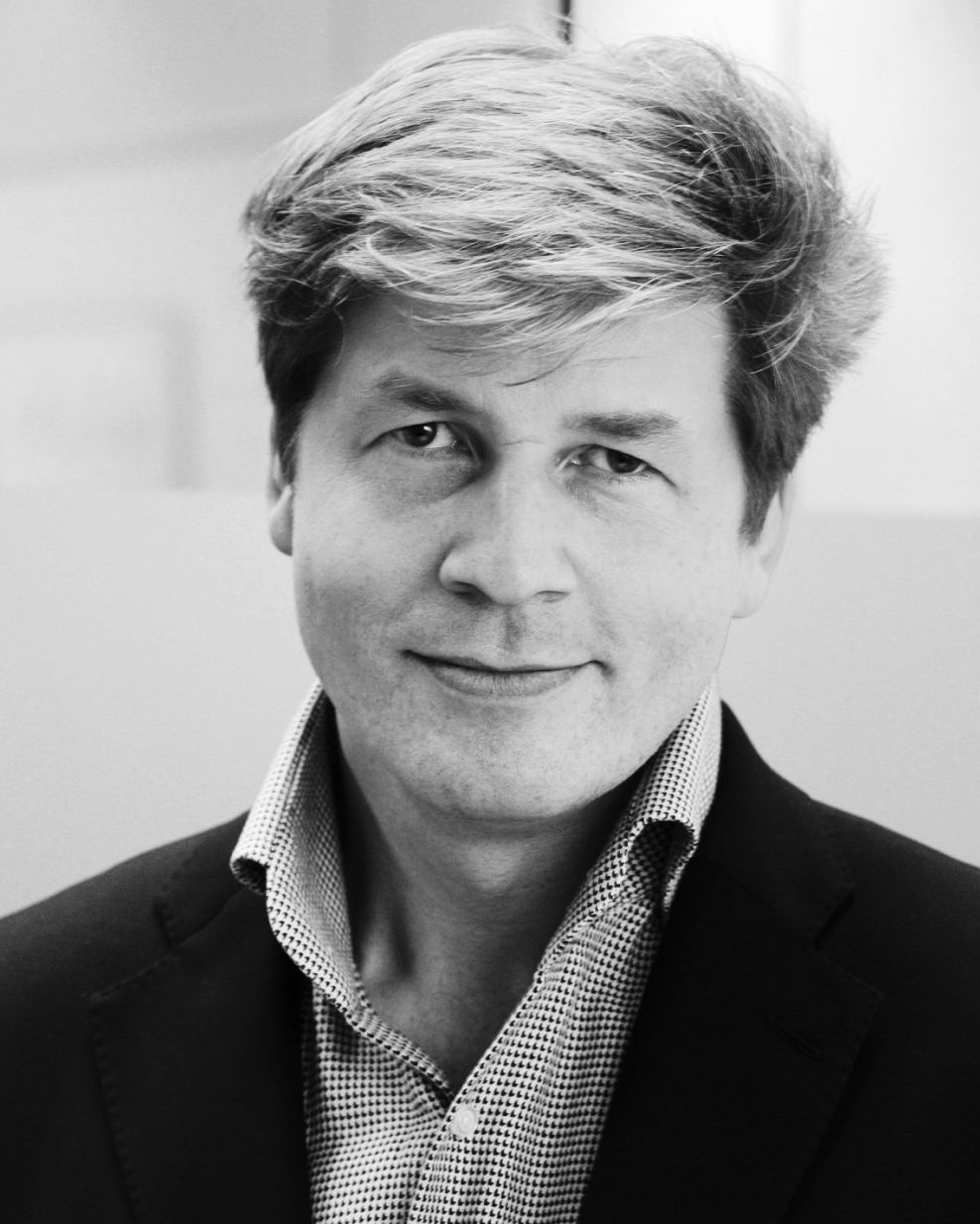
Leo Johnson
Sustainability Adviser
Fourteen Years, Ten Cycles
Launch of the first Prix Pictet – theme Water Kofi Annan appointed President
The Financial Times becomes global media partner
Prix Pictet awards exhibition at Palais de Tokyo, Paris
Benoit Aquin’s The Chinese Dust Bowl wins inaugural award
teNeues publishes first Prix Pictet book
Munem Wasif completes first Prix Pictet Commission (Bangladesh)
Nadav Kander wins Prix Pictet Earth for his series Yangtze, The Long River
First shortlist presentation at Les Rencontres d’Arles
First Prix Pictet touring exhibitions in Eindhoven, Thessaloniki, Hong Kong and Dubai
Ed Kashi completes second Prix Pictet Commission (Madagascar)
First Prix Pictet exhibitions in Russia and India
Mitch Epstein’s American Power wins Prix Pictet Growth
Collaboration with Whitechapel Gallery, London begins with a series of conversations on photography
Chris Jordan completes third Prix Pictet Commission (Kenya)
Saatchi Gallery stages first Prix Pictet awards exhibition in London
Luc Delahaye wins Prix Pictet Power
First Prix Pictet exhibitions in USA and Lebanon
Prix Pictet announces partnership with the V&A, London, and Musée d’Art moderne de la Ville de Paris
Simon Norfolk completes fourth Prix Pictet Commission (Afghanistan)
Prix Pictet exhibitions in Turkey and Israel
First Prix Pictet awards exhibition at the V&A, London
Michael Schmidt’s Lebensmittel wins Prix Pictet Consumption
Juan Fernando Herrán awarded final Prix Pictet Commission (Colombia)
Les Rencontres d’Arles stages first Prix Pictet Laureates exhibition
Prix Pictet Consumption at the National Museum of Art, Mexico City attracts a record audience of over 100,000
First Prix Pictet awards exhibition at the V&A, London
Michael Schmidt’s Lebensmittel wins Prix Pictet Consumption
Juan Fernando Herrán awarded final Prix Pictet Commission (Colombia)
Les Rencontres d’Arles stages first Prix Pictet Laureates exhibition
Prix Pictet Consumption at the National Museum of Art,
Mexico City attracts a record audience of over 100,000
Richard Mosse wins Prix Pictet Space for his series Heat Maps
Lieko Shiga’s series Blind Date wins second Prix Pictet Japan Award
Les Rencontres d’Arles stages second Laureates exhibition
Eighth theme of Prix Pictet, Hope, is announced in Arles
teNeues publishes special edition ten to mark first decade of the prize
Hope shortlist announced at Les Rencontres d’Arles
Prix Pictet Hope exhibition at the V&A, London
Hope exhibition begins tour at Hillside Forum, Tokyo, with announcement of third Prix Pictet Japan Award
Prix Pictet publishes Confinement, a response to the pandemic by artists previously shortlisted for the award
Joana Choumali’s series Ça va Aller wins the eighth Prix Pictet
Fire shortlist announced at Les Rencontres d’Arles
Prix Pictet Fire exhibition at the V&A, London
Prix Pictet Fire exhibition opens at TOP Museum, Tokyo
Sally Mann wins Prix Pictet Fire for her series Blackwater
Human shortlist announced at Rencontres d'Arles
Gauri Gill wins Prix Pictet Human for her series Notes from the Desert
Hatje Cantz publish Human