
Harnessing the power of photography to draw global attention to issues of sustainability.
As the most dominant species on Earth, humans shape and are shaped by the world around us. The Human theme allows photographers to delve into the vast spectrum of human experiences, emotions, relationships, and challenges that define our collective existence.


About Prix Pictet
The Prix Pictet aims to harness the power of photography – all genres of photography – to draw global attention to issues of sustainability, especially those concerning the environment. Founded in 2008 by the Pictet Group, the Prix Pictet has become the world’s leading award for photography and sustainability. To date, there have been ten cycles of the award each of which has highlighted a particular facet of sustainability.
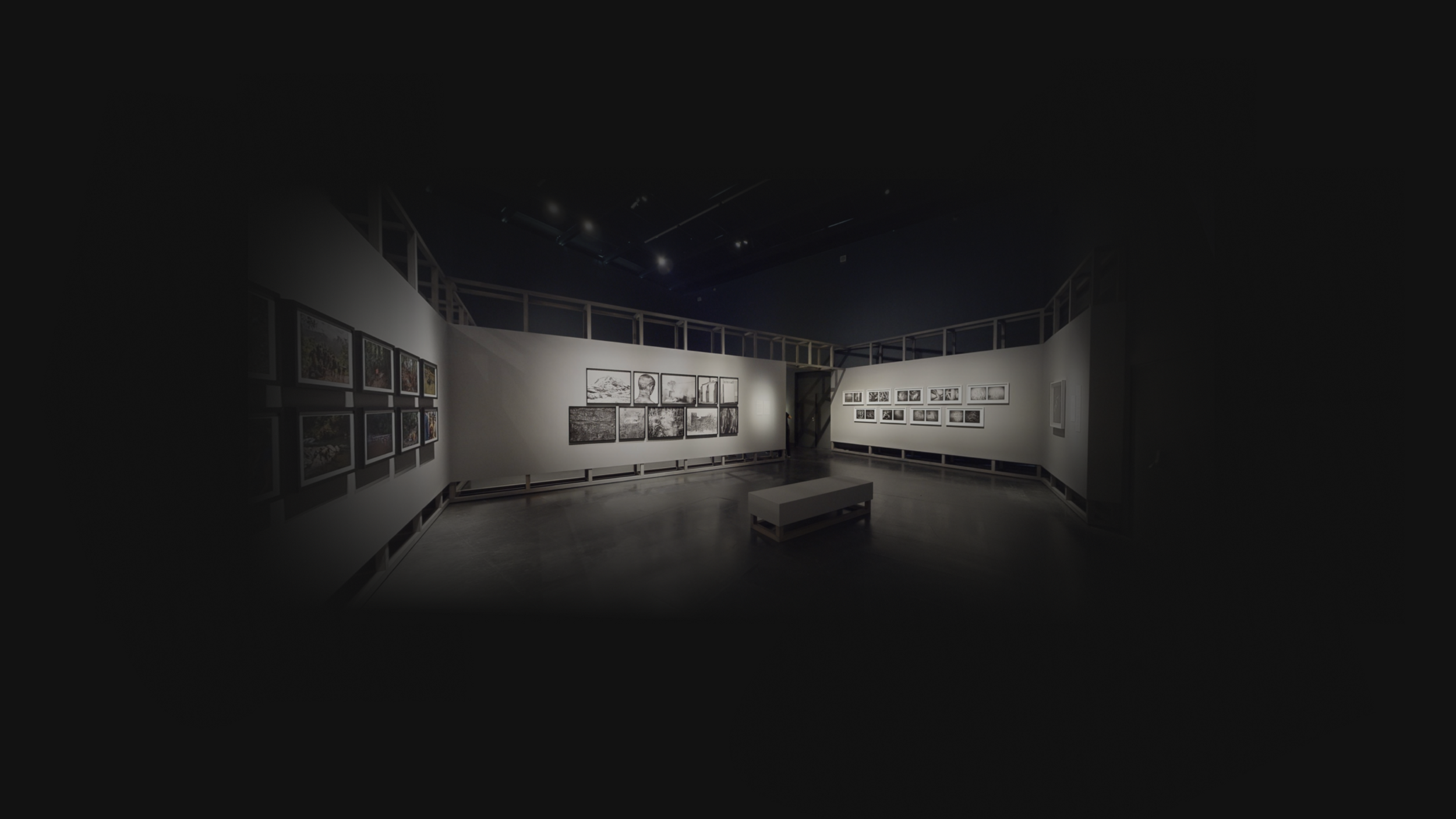
“Human” virtual walkthrough
V&A London
Upcoming Exhibitions
Red Cross Museum
Geneva
Switzerland
18 Oct 23 - 25 Aug 24
Fotografiska
Stockholm
Sweden
19 Apr - 18 Aug 24
Arter
Istanbul
Turkey
26 Apr - 27 Jul 24
KWM ArtCenter
Beijing
China
31 May - 25 Jul 24
Museum of Photographic Arts
San Diego
United States
26 Sep - 15 Dec 24
Cercle Cité
Luxembourg
Luxembourg
18 Oct 24 - 19 Jan 25
Pinakothek der Moderne
Munich
Germany
05 Nov - 24 Feb 24
Photography Museum Ireland
Dublin
Ireland
21 Feb - 20 Apr 25
Human shortlist
-
Hoda AfsharSpeak the Wind2015–2020
-
Gera ArtemovaWar Diary2022
-
Ragnar AxelssonWhere the World Is Melting2013-2022
-
Alessandro CinquePeru, a Toxic State2017-2023
-
Siân DaveyThe Garden2021-2023
-
Federico Ríos EscobarPaths of Desperate Hope2022
-
Gauri Gill (winner)Notes from the Desert1999-ongoing
-
Michał ŁuczakExtraction2016-2023
-
Yael MartínezLuciérnaga (Firefly)2019-2023
-
Richard RenaldiDisturbed Harmonies2022-2023
-
Vanessa WinshipSweet Nothings: Schoolgirls of Eastern Anatolia2007
-
Vasantha YogananthanMystery Street2022