Commission
Growth Commission
For the third Commission Pictet & Cie supported the work of the Tusk Trust in Africa – specifically the Nakuprat-Gotu Conservancy, a new community-led initiative in Kenya. The area covered by the Conservancy has been riven by conflict between communities competing for livestock, pasture and water – exemplifying the tensions inherent in the theme of the third Prix Pictet: Growth.
Such was the power of Chris Jordan’s shortlisted series Midway: Message from the Gyre, that he was chosen for the third Commission.
In July 2011 Chris Jordan visited the Northern Rangelands, with logistical support from Tusk, to complete the third Commission. The Nakuprat-Gotu Community Conservancy is an integral part of the Northern Kenya wildlife landscape, its position provides critical seasonal refuge and for wildlife between the National Reserves of Samburu, Shaba and Buffalo Springs, with the community-managed conservancies under the Northern Rangelands Trust (NRT) umbrella lying to the south and the north of these Reserves.
Nakuprat-Gotu’s position forms part of a protected area mosaic, which is important for many species, in particular the endangered African elephant, Grevy’s zebra and African wild dog. As with many of the NRT conservancies, the establishment of Nakuprat-Gotu will also play an important role in promoting conflict resolution and peace between the tribes which converge here.
Pictet’s support has enabled Tusk and NRT to establish the necessary governance and organisational management structures for the Nakuprat-Gotu Community Conservancy. It has also helped to establish a wildlife monitoring programme with links to Kenya Wildlife Service and other security forces, and to lay the foundations for the creation of income generating activities via tourism, women’s groups (micro-credit schemes) and valuable livestock marketing.
Chris Jordan calls the series of photographs he made in Kenya Ushirikiano (‘partnership’ or ‘collaboration’ in Swahili). His series focuses on the precarious existence of the drought stricken communities that inhabit Kenya’s Northern Rangelands. As he explains,
"The Prix Pictet Commission took me on a thousand-mile photo-documentary safari in a part of Kenya that most tourists never see. There I encountered a confederation of NGOs working closely with local tribes to create a sustainable way of life based on principles of environmental stewardship, wildlife conservation and peace. Despite enormous adversity – poverty, drought and wildlife poaching for starters – and some dubious intrusions of outside religious, commercial and educational culture, this quiet mini-revolution, led by a council of tribal elders, is bringing peace and stability to a huge area of Kenya. Ironically, their chances of success in the long run depend largely on whether the so-called first world can shift our own paradigm, as this part of Kenya increasingly is being ravaged by the effects of global climate change."
Chris Jordan’s photography explores this reality and combats denial. His is a visceral environmentalism designed to leave the viewer changed by the encounter. So while there are traces of hope in these images the series also contains what the critic Nigel Warburton has described as ‘an almost unbearable visual requiem for slaughtered elephants…A butchered elephant corpse, its tusks hacked and gouged from its skull, its trunk coiled alongside the decaying gore, is evidence of the macabre and brutal truth most of us would rather not imagine or confront, the truth that is scarcely hinted at by the words “ivory poaching”. The blank accusatory gaze of a disfigured elephant’s eye is painful to meet. This sensitive and intelligent animal has been dismembered and left in the dust. It is not just the poacher who is guilty, it seems to say, but any of you who look on this and do nothing.’
Violence between competing communities in the area, known as “bandit country”, has had a disastrous impact on tourism. The area also suffers from chronic game-meat and elephant poaching and a visceral group of images documenting the horror of elephant poaching lies at the heart of the series.
Ushirikiano also illustrates a more hopeful future, with photographs portraying new security provision, water tanks, biodiversity conservation, schools, women’s enterprise projects and the different tribes, Borana, Turkana and Samburu, encouraged to live and work alongside each other in a spirit of collaboration. The Nakuprat-Gotu Conservancy aims to improve human, habitat and wildlife security, and establish income-generating activities including tourism ventures and livestock marketing, and so create a sustainable model for future economic development.
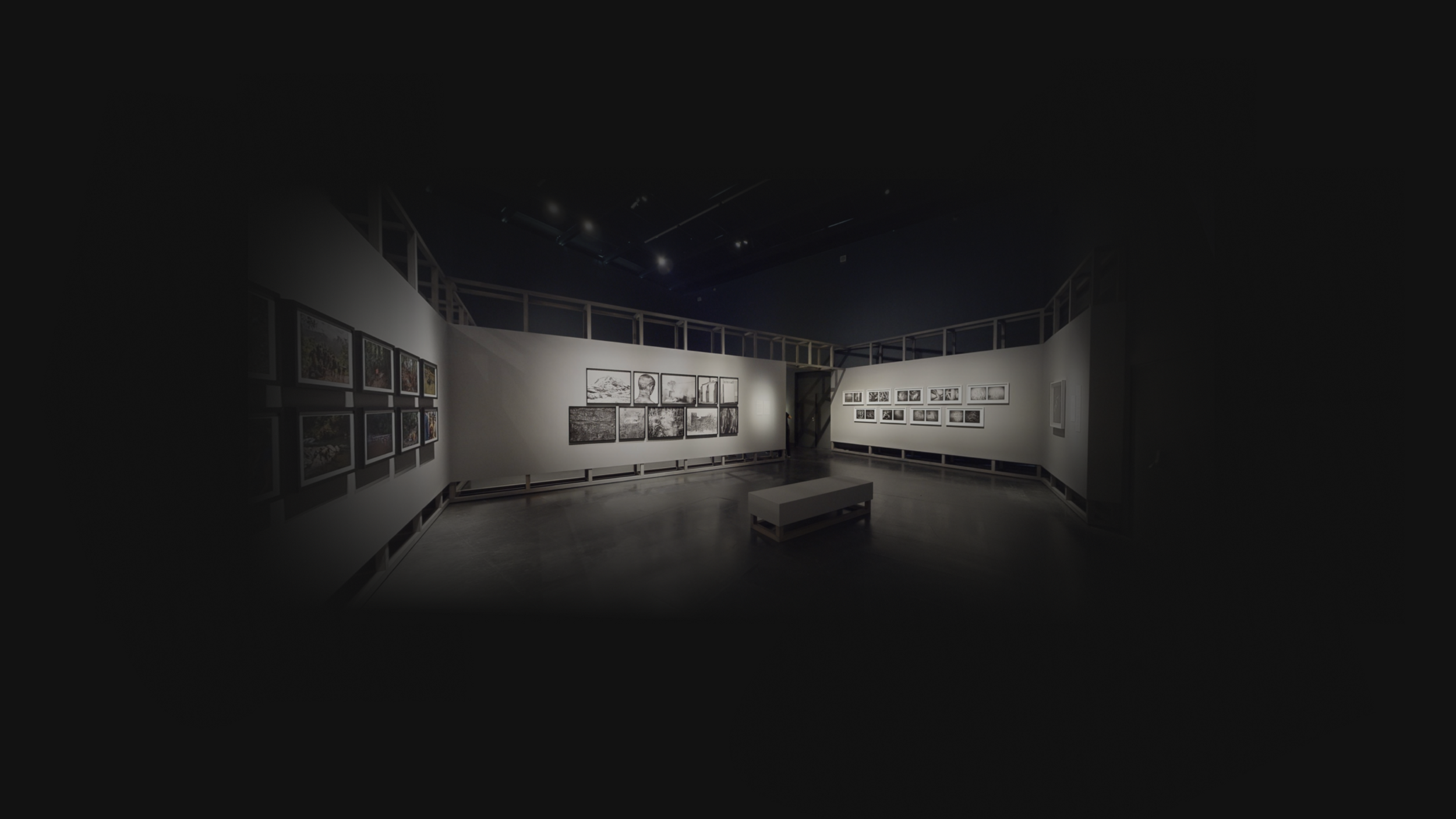
Chris Jordan's Ushirikiano series was previewed at Diemar/Noble Photography in London in October 2011. The series will also be accompanied by a monograph produced by teNeues.